
Learn how to conduct research while exploring.
-
Connect
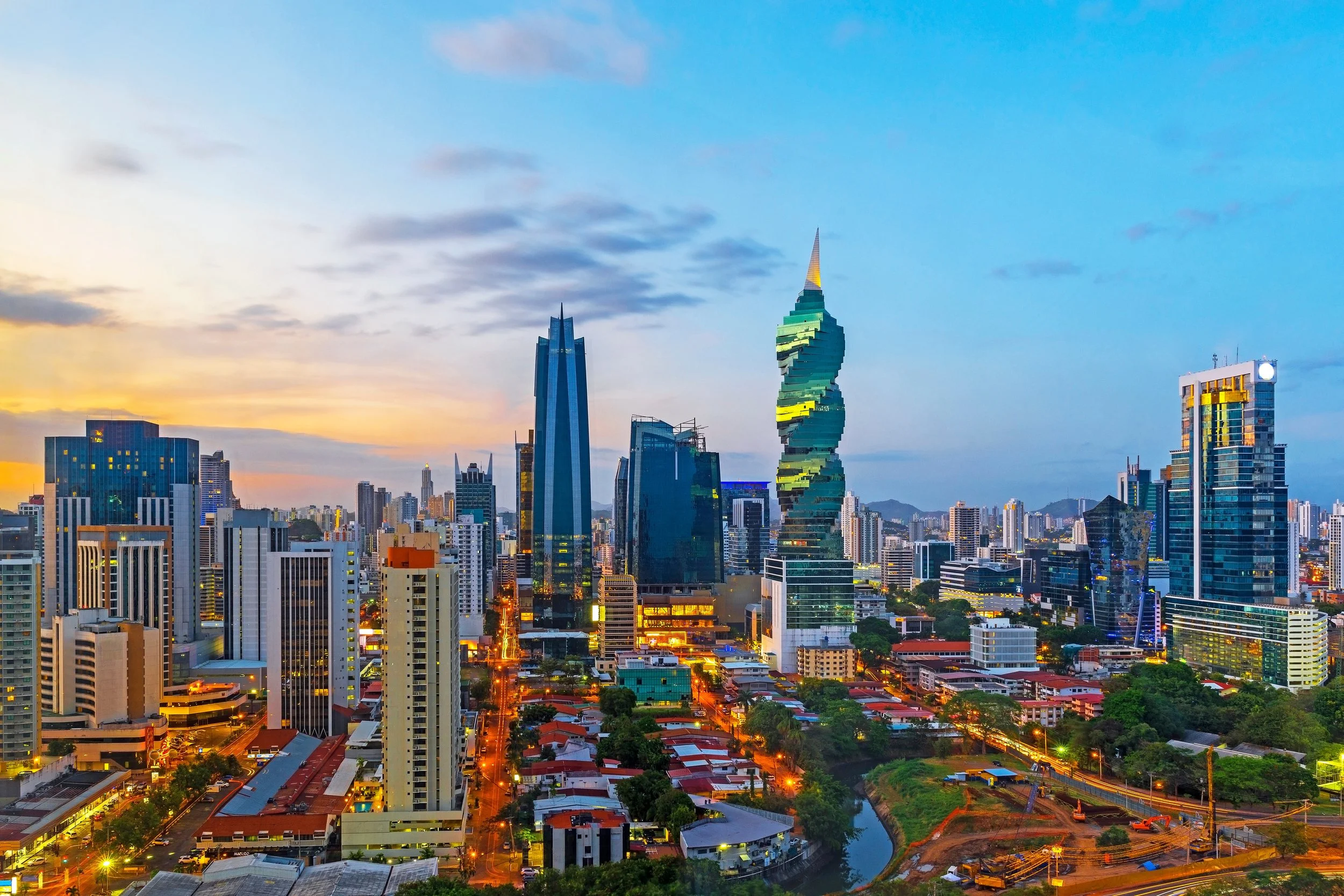
Panama and Costa Rica’s location, connecting oceans and continents, is vital to the global economy and home to some of the most biologically diverse ecosystems on Earth. As empires have fought to control the region’s wealth and strategic location, the people of both countries continue to work to ensure they have a voice in shaping their own future.
-
Inquire
The course is organized into chapters of inquiry, and each chapter is built around a question. Each day in the field is defined by a question of its own. Students spend the day gathering evidence to answer it, record it in a daily field journal, and close each day with a group reflection. By the end, those journals hold a comparison of the different paths taken by similar communities in two countries.
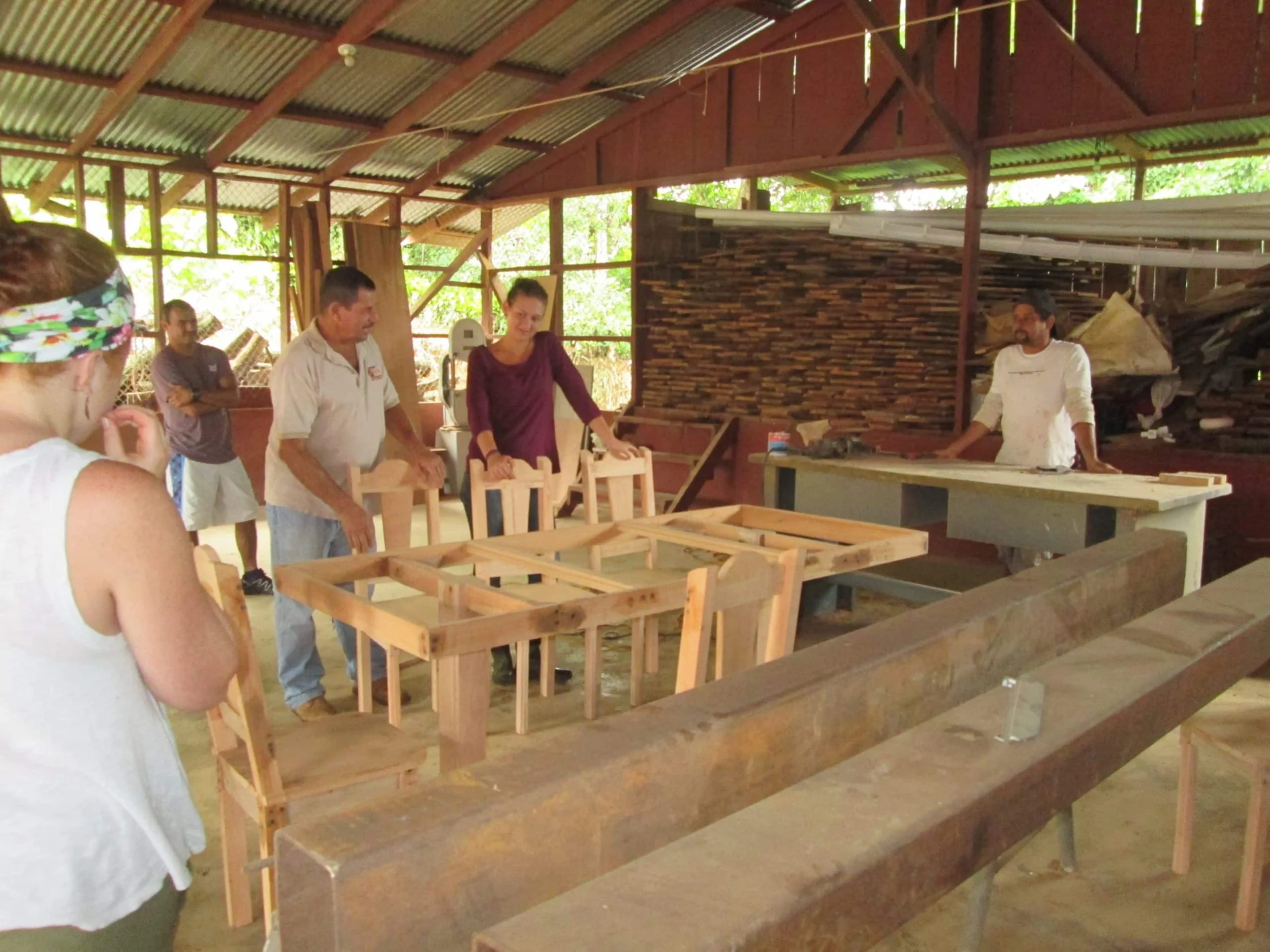
We will visit two communities, both rooted in agriculture, both on the edge of protected areas and neither politically connected or powerful. Each has chosen different routes to improving their lives; one emphasizing small business, the other collective ownership.
-
Perspective
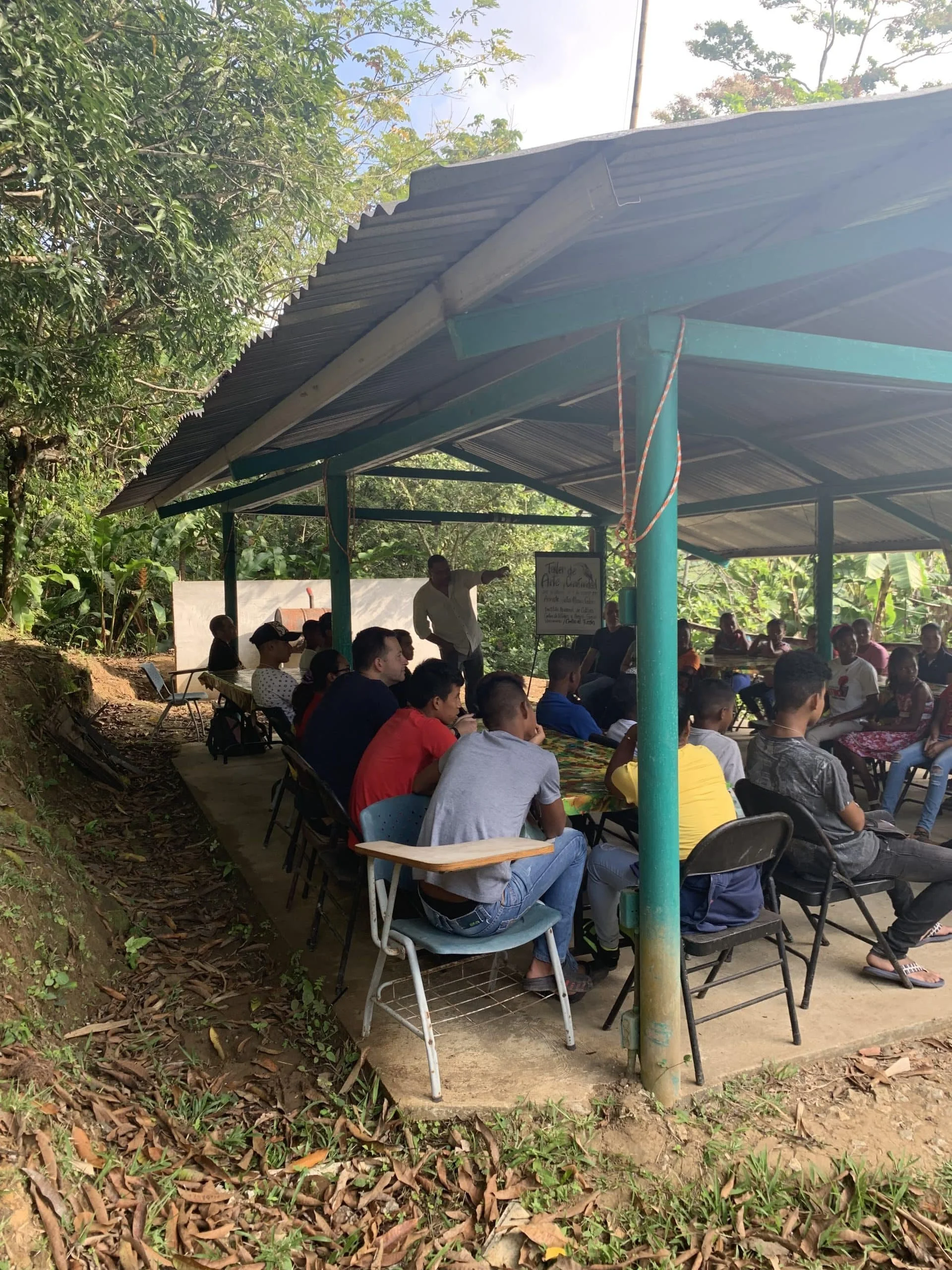
Students will ask how these communities have defined progress, which strategies they’ve used to reach their goals, what has worked and what the future looks like from their perspective.
Along the way, students look at how development affects the environment, work, food, housing, and people’s physical health and well-being.
Example Itinerary
-

Developing towards...
Online Modules Prior to Departure.
Why have the people of the “developing world” so often been left out of decisions about development? The online modules introduce the geography, history and cultures of Panama and Costa Rica, along with the tools used to measure development. They cover the debates over what “sustainable development” really means. Students study private enterprise and small businesses, public health systems, competing theories of how countries escape poverty, and the long history of U.S. involvement in the region as well as primers on the community organizations they will visit.
-

Whose Footsteps?
Days 1-3 Panama City
If we’re going to understand a new place, we have to recognize the history that makes it possible that students from the US came to be in that place. Our partners at the Panamanian NGO CEASPA open Panama City’s resources to us. Students take a guided tour of the city exploring the earliest European settlement through contemporary art galleries. We will then hear from CEASPA President Daniel Holness about what sustainable development looks like in Panama. We visit the Panama Canal, owned and operated by Panama since 1999. The Biomuseo designed by Frank Gehry, the museum tells the natural history of the isthmus in partnership with the Smithsonian Tropical Research Institute.
-

How Big Is Small Business?
Days 4–6 Costa Abajo, Panama
Traveling north along the Canal from the Pacific to the Caribbean, we stop at the Canal expansion, which was designed to both protect a watershed and survive drought arriving at the rural community of Achiote, on the edge of San Lorenzo National Park, where ecotourism ventures have reshaped the local economy. Students meet the local nurses who deliver community-based public health care across the region, and explore the forest at San Lorenzo. Then we visit Portobelo, once a storehouse for silver mined in the Andes and bound for Spain, before taking an overnight bus across the border into Costa Rica.
-
Is Globalization Good For You?
Days 7–10 Southern Costa Rica
ASOPROLA was founded on ideals of shared work and communal property, so one might not expect the organization to be so good at capitalism. Students learn how this farmers’ cooperative competes in vast global markets while staying grounded in environmentally and socially sustainable practices. They work alongside members in the coffee fields and organic gardens and visit the community’s projects. From there we head to La Amistad International Park, a protected area shared by Costa Rica and Panama, to talk with experts about forest ecosystems and the threats they face.
-

Can A Forest Keep You Healthy?
Days 11–14 Osa Peninsula, Costa Rica
Relatively remote, the Osa Peninsula’s rainforests are among the most biologically diverse intact ecosystems on the planet. At Rancho Tropical, a grassroots ecotourism and conservation project, students hike the rainforest and take a guided tour on how forests support human health through clean water, food, livelihoods and lower stress. On the Golfo Dulce, we learn how marine protected areas are managed. With the Corcovado Foundation, students join a community-centered sea turtle conservation program and see how conservation intersects with local jobs, education and tourism.
-

Whose Future Is It Anyway?
Days 15–16 Central Valley, Costa Rica
Our journey ends near San José. Here we combine the data and analysis gathered over two weeks of fieldwork, comparing Panama and Costa Rica across development, health and sustainability. We also reflect on the ethics of study abroad itself: who gets to tell a community’s story, and how to share what we’ve learned with respect.
-
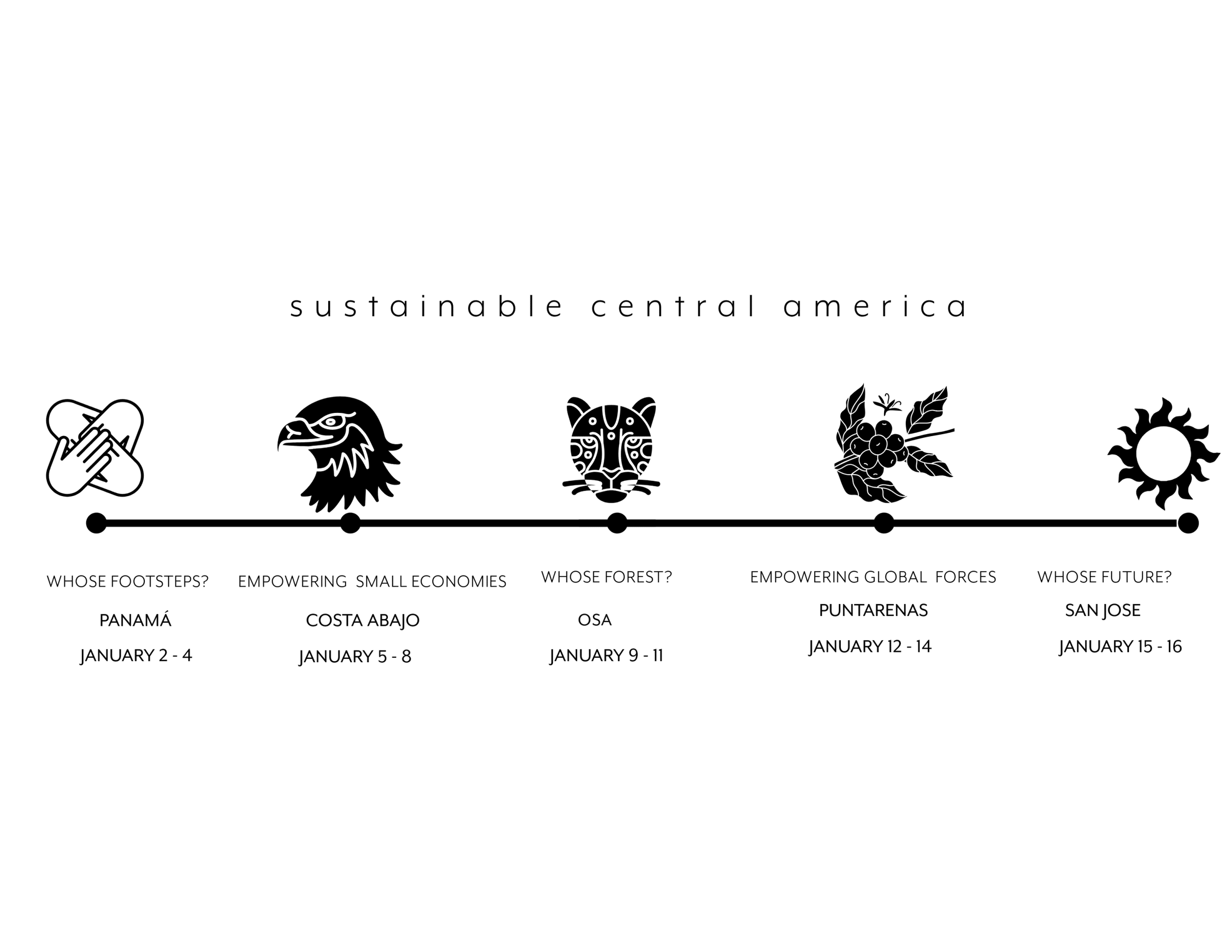
Why an "Example" Itinerary?
Every trip contains the same essentials but also seeks to take advantage of opportunities that exist in each community at the time of travel, for example harvesting coffee or observing sea turtles.
We will have a firm travel schedule several months before we depart and that schedule will shape the pre-departure module content.
First things First
Our faculty and community hosts understand the impact of international education and are committed to the value of ‘firsts’.
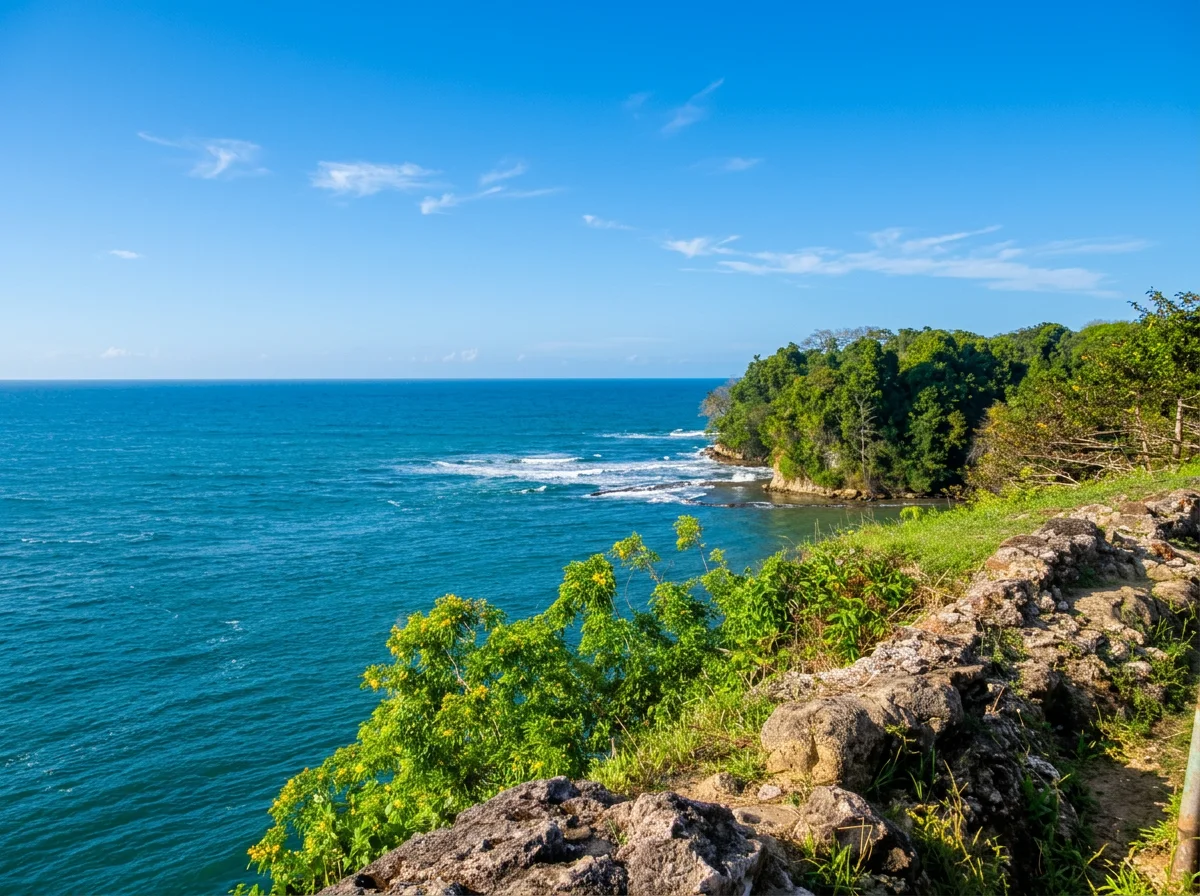
Maybe your first stamp in your passport, first sloth siting, first time putting your feet in the Pacific Ocean or first time in a course where your questions determine what you will learn that day.
Our educational travel culture makes these ‘firsts’ possible by centering values of safety, excellence, respect and kindness as the bedrock of what we do.